 Gilles Crofils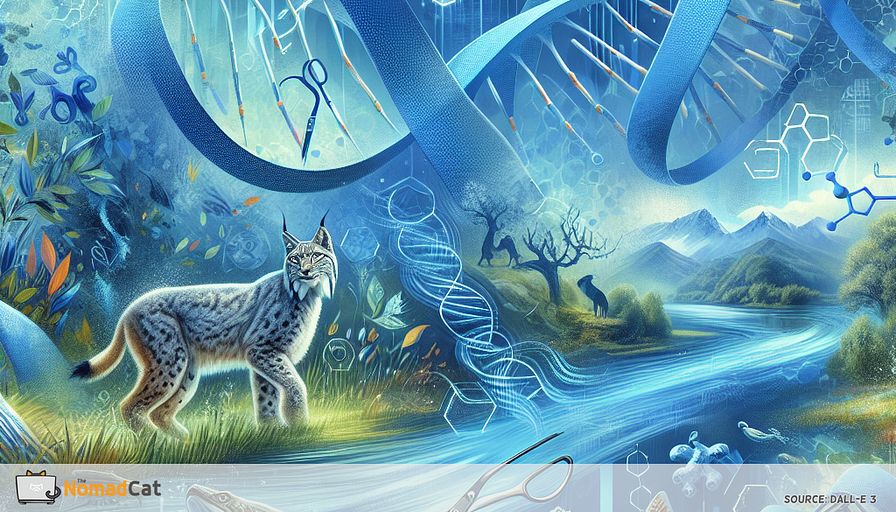
Europe faces significant environmental challenges that threaten its rich biodiversity and ecosystems. From species decline to pollution, these issues demand innovative solutions. Genomics, a cutting-edge scientific field, presents promising opportunities. By employing genomics, Europe can enhance its environmental strategies, whether through biodiversity monitoring with environmental DNA (eDNA) or employing CRISPR technology for pollution control. Let's explore how genomics is contributing to the preservation of Europe's natural heritage.
Genomics and Environmental Challenges in Europe
Europe's unique environmental challenges include biodiversity loss and pollution management. Genomics offers innovative approaches to address these issues, making interventions more precise and effective. Here's how genomics can assist in tackling these challenges across Europe.
Tackling Biodiversity Loss with Genomic Tools
The Power of Environmental DNA (eDNA) in Biodiversity MonitoringEnvironmental DNA (eDNA) has revolutionized biodiversity monitoring. It allows for non-invasive tracking of species' locations and health. In European freshwater systems, eDNA has been instrumental in monitoring species like the European eel. A study in Nature Communications highlights eDNA's effectiveness in assessing these ecosystems. eDNA provides critical data for conservation, underscoring the importance of data in preserving biodiversity.
Genomic Sequencing and the Success of the Iberian LynxGenomic sequencing plays a crucial role in conservation genetics. The Iberian lynx project uses genomic data to enhance breeding programs, improving genetic health and diversity. Research in Nature Ecology & Evolution demonstrates how sequencing aids in understanding these cats' genetic makeup, supporting conservation strategies. Genomic sequencing helps maintain the balance of threatened species, similar to how data insights can improve decision-making.
Future Possibilities with CRISPR and Gene EditingCRISPR and gene editing technologies are still in the exploratory phase but hold potential for boosting genetic diversity and resilience in endangered species. Early research suggests these tools can combat genetic diseases in wildlife, supporting biodiversity. Specific examples include using CRISPR to potentially restore genetic diversity in isolated populations. While not fully realized, CRISPR's potential underscores the need for innovative approaches to protect nature.
Pollution Management Through Genomic Innovations
Metagenomics: Uncovering Microbial Secrets in Pollution ControlMetagenomics, the study of genetic material from environmental samples, is transforming pollution management. By analyzing microbes, this method enhances our understanding of ecosystems like the Rhine River. Scientists use metagenomics to identify microbes capable of breaking down pollutants, offering a targeted strategy for pollution control.
The Role of CRISPR in BioremediationCRISPR-based bioremediation is an emerging field. It uses gene editing to enhance microbes' ability to break down pollutants. This method improves microbes' natural capabilities, providing a precise tool for addressing complex pollutants. As regulations evolve, CRISPR could become integral to sustainable pollution management.
Pioneering Solutions with Synthetic BiologySynthetic biology advances by designing biological systems to efficiently process pollutants. These engineered organisms can function as biosensors, detecting and responding to environmental changes. Applications such as cleaning oil spills demonstrate synthetic biology's potential for eco-friendly solutions.
Innovative Opportunities for Startups
Niche Markets and Applications
Startups can leverage genomics in bioremediation by enhancing microorganisms for pollutant removal. Advanced genomic techniques allow startups to develop microbes that more effectively break down pollutants. An article in Nature Reviews Microbiology emphasizes genomics' potential in improving bioremediation.
Agricultural genomics is another growing field, focusing on developing climate-resilient crops. Programs like Horizon Europe fund startups to create sustainable, high-yield crops that withstand environmental stresses, aligning with EU initiatives.
In biodiversity monitoring, eDNA analysis offers a non-intrusive method gaining traction. Supported by the European Environment Agency, it evaluates species presence and ecosystem health without direct observation. Startups can cater to the demand for efficient biodiversity monitoring tools, crucial for conservation.
Scalability and Global Impact
International partnerships are essential for startups aiming to expand genomic solutions globally. Carbios exemplifies how partnerships can extend reach beyond Europe. Collaborating with global research institutions enables startups to enhance their technology and enter new markets.
Global initiatives like Horizon 2020 enhance a startup's growth potential. These platforms promote cross-border collaborations and provide networking opportunities vital for international expansion.
Localized approaches are important for adapting genomic solutions to diverse regions. Startups should tailor innovations to local environmental needs and cultural contexts, ensuring compliance with regional regulations.
Navigating the European Regulatory Landscape for Genomics
Understanding Europe's regulatory landscape is crucial for genomic innovation. Regulations ensure safety, ethical standards, and sustainability. For startups, navigating these rules is key to long-term success.
Key Regulations and Compliance
Understanding GMO Regulations in Europe: In Europe, GMO regulations are strict, governed by Directive 2001/18/EC and Regulation (EC) No 1829/2003. These laws require thorough risk assessments and labeling to maintain public trust. Success in genomic projects depends on aligning innovations with these regulations.
The Nagoya Protocol and Its Influence on Genomic Projects: The Nagoya Protocol ensures fair use of genetic resources, impacting how startups use them. By following these guidelines, companies can responsibly integrate genetic resources into their projects.
Navigating GDPR in Genomic Research: The GDPR protects personal data in the EU, affecting genomic research with human genetic data. Startups must follow privacy standards, obtain consent, and secure data to comply with GDPR.
Strategies for Navigating Regulations
Engaging with Regulatory Bodies for Guidance: Regular contact with European regulatory bodies helps startups navigate compliance issues. These organizations offer guidance, streamlining the approval process and reducing setbacks.
Importance of Robust Data Protection Measures: Strong data protection is essential for GDPR compliance. This includes regular audits, a Data Protection Officer, and secure data handling practices.
Collaborating with Academic Institutions for Compliance: Academic partnerships provide access to research and regulatory insights, helping startups refine compliance strategies.
Ethical and Social Dimensions of Genomics in Sustainability
Ethical Concerns and Governance
Using genomics for environmental sustainability requires evaluating potential risks. Some interventions could disrupt ecosystems or biodiversity. For example, introducing genetically modified species could unintentionally affect non-target species. Careful assessment is needed to manage these risks.
Public attitudes also influence the success of genomic initiatives. Aligning these technologies with societal values can improve acceptance.
Robust ethical frameworks are needed to manage genomic technologies safely and fairly. The EU's guidelines provide a foundation, but they must adapt to keep pace with technology.
Building Public Trust
Building public trust in genomics requires transparent communication. Sharing both benefits and risks openly helps dispel misconceptions.
Involving communities in decision-making fosters trust and acceptance. Participatory methods effectively engage local stakeholders.
Educational initiatives with NGOs enhance public understanding of genomics. Collaborations can provide the education needed to shift public perception from skepticism to acceptance.
Europe faces significant environmental challenges, but genomics offers hope for a sustainable future. From species monitoring with eDNA to CRISPR's role in pollution control, genomics is advancing environmental management. These technologies support biodiversity and create opportunities for startups in pollution solutions and climate-resilient crops. As these innovations grow, addressing regulatory, ethical, and trust issues is crucial. Collaboration and thoughtful integration of these technologies are key to balancing ecological health with progress.


