 Gilles Crofils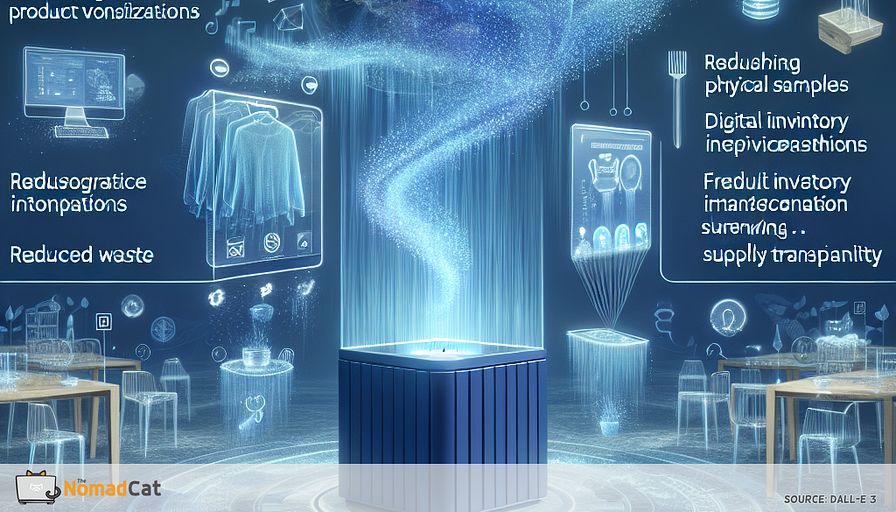
Sustainability is increasingly important, and finding innovative ways to reduce waste is crucial. Augmented Reality (AR) is transforming how we shop and care for the environment. By enabling virtual try-ons and visualizations, AR not only enhances the shopping experience but also significantly reduces waste. Let's explore how retailers are leveraging this technology to foster a more sustainable future.
Reducing Waste with AR
AR is not just a fascinating tech innovation; it is a practical tool for promoting sustainability in retail. By minimizing the need for physical samples and enhancing inventory management, AR contributes to waste reduction.
AR for Virtual Try-Ons and Product Visualizations
With AR, customers can try on products virtually, reducing the need for numerous physical samples. This decreases waste, as fewer unsold items end up in landfills. AR enhances the shopping experience, making it both enjoyable and eco-friendly. For instance, IKEA Place allows you to visualize furniture in your home, reducing the likelihood of returns.
AR also makes shopping more engaging, helping customers make informed decisions. Satisfied customers are less likely to return products, benefiting businesses. For example, AR can lower return rates for online shoe purchases, resulting in better inventory management and cost savings.
Optimizing Inventory Management with AR
AR aids inventory management by predicting customer preferences, thus preventing overproduction. Retailers can adjust stock based on anticipated demand, reducing excess inventory and improving efficiency.
AR also educates consumers about products, supporting informed and eco-conscious purchasing decisions.
Educating Consumers Through AR
AR is revolutionizing consumer awareness regarding purchasing decisions, particularly in terms of sustainability. It's about more than just showcasing products; it's about sharing their stories.
Educating Consumers on Product Impact
AR applications provide insights into product sourcing and environmental impact. Some apps offer sustainability ratings for brands, empowering consumers to make choices aligned with their values. Informed consumers are more likely to adopt sustainable practices.
Promoting Transparent Supply Chains
AR enables consumers to trace product journeys from start to finish, fostering trust in ethical brands. When consumers understand the entire story, they are more likely to support the brand, enhancing loyalty.
Enhancing Sustainable Store Experiences
AR is transforming in-store shopping, making experiences more sustainable and engaging.
Transforming In-Store Experiences with AR
AR digital displays replace printed materials, reducing paper waste and enriching the shopping experience. These displays also inform customers about products and sustainability practices.
Interactive AR guides provide tips on making greener choices while shopping, enhancing customer satisfaction and supporting sustainability.
Creating Virtual Pop-Up Stores
Virtual pop-up stores eliminate the need for physical setups, reducing environmental impact. For instance, IKEA's virtual pop-up allows consumers to explore new collections from home, offering an immersive experience without the carbon footprint.
These stores create unique, customer-focused interactions, like virtual try-ons, boosting engagement and sales.
Case Studies & Success Stories
European startups are leveraging AR to engage consumers and improve operations sustainably.
Innovative Approaches to AR Integration
Some European startups use AR to enhance supply chain transparency, appealing to consumers who value traceability. This approach strengthens brand loyalty and satisfaction by providing clear information about sustainability.
Measurable Outcomes and Strategic Benefits
AR reduces waste by replacing physical displays with digital experiences, optimizing resources and lowering carbon emissions. This positions startups as leaders in sustainable retailing.
Overcoming Challenges in AR Integration
Implementing AR in retail for sustainability presents challenges, but they can be navigated.
Technology Costs and Solutions
Developing AR technology can be expensive, but partnerships and open-source solutions can mitigate costs. Flexible business models and incremental implementation also help manage expenses.
Aligning AR with Sustainability Goals
AR should align with a startup's sustainability objectives. External support and government incentives can facilitate AR integration with a sustainability focus, especially in the European market.
AR is significantly impacting retail by reducing waste and promoting sustainability. Through virtual try-ons and improved inventory management, it enhances customer satisfaction and minimizes unnecessary returns. AR empowers consumers with product transparency, fostering trust in ethical brands. Retailers are replacing traditional materials with digital displays, reducing environmental footprints. Success stories from companies like IKEA and Gucci illustrate how AR combines innovation with eco-friendly values. As AR becomes more prevalent in retail, it represents a step toward a sustainable future.


