 Gilles Crofils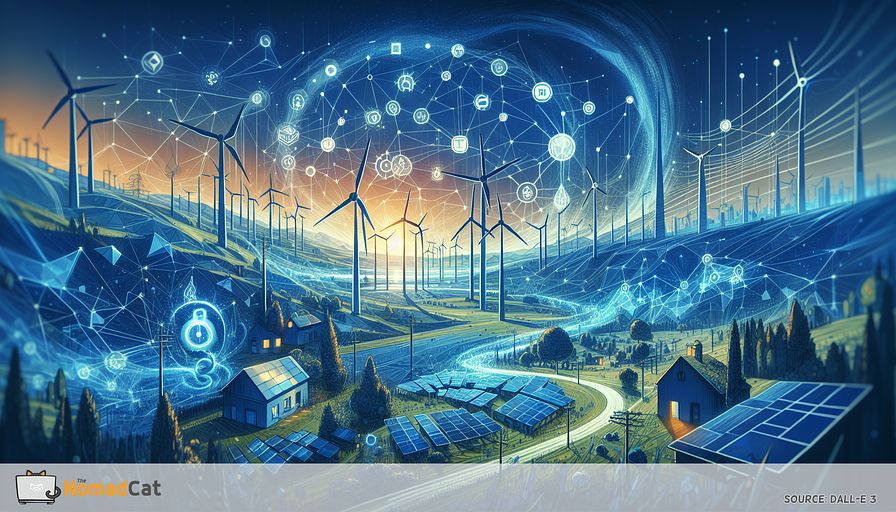
Imagine you're at a café, enjoying your morning coffee, and suddenly the lights go out. It's annoying, especially when you're busy. Many communities, especially in rural areas, face this problem often. That's where microgrids come in. These systems offer reliable energy, working both with and without the main power grid. By using local resources like wind and solar power, microgrids ensure a steady supply and help the environment. Let's explore how microgrids are changing energy use, especially for startups in Europe.
Harnessing the Power of Microgrids
Understanding Microgrids
Microgrids are local energy systems that can operate independently or alongside the main power grid, enhancing energy security and reliability. For communities where power outages are common, a microgrid can make energy more accessible and dependable, reducing the need for centralized systems. The U.S. Department of Energy highlights that microgrids not only improve energy supply reliability but also efficiently utilize renewable resources like wind and solar.
Core Components of Microgrids
Microgrids rely on key components such as wind turbines, batteries, and control systems. These elements work together to manage energy generation and consumption. Wind turbines capture energy, store it in batteries, and control systems optimize its usage to meet local needs. According to the International Renewable Energy Agency, this setup is crucial for efficiently harnessing renewable energy, particularly wind.
Revolutionizing Renewable Energy Systems
Microgrids are transforming the management of renewable energy, especially wind power. They enable local energy generation and management, maximizing the efficiency of renewables. The Smart Rural Grid Project demonstrated how microgrids can enhance rural energy systems. By leveraging distributed resources, microgrids play a vital role in adopting renewable energy.
Enhancing Wind Energy with Microgrids
Managing Wind Energy Variability
Microgrids help manage the natural fluctuations of wind energy, ensuring a stable supply even when wind conditions change. They use advanced controls to stabilize energy output, reducing supply inconsistencies. The INTERFLEX Project illustrates how integrating smart grid technology with microgrids can enhance these benefits, improving grid stability.
Smart Grid Technologies in Microgrids
Smart grid technology enables microgrids to distribute energy more efficiently, reducing reliance on the main grid. This is particularly useful for optimizing wind energy utilization. As highlighted by Vestas and IRENA, these advancements not only create more reliable systems but also lower operational costs.
Operational Savings and Economic Benefits
Utilizing microgrids with wind energy is financially advantageous. The Journal of Cleaner Production notes significant savings from hybrid systems combining wind and solar. These cost benefits, sometimes reaching up to 20% savings, offer startups a way to reduce energy expenses while being environmentally conscious.
Strategic Advantages for European Startups
Enhancing Energy Efficiency and Reliability
Microgrids empower startups by enabling local power generation, which improves energy efficiency. By reducing transmission losses, they assist startups with high energy demands and tight budgets. Navigant Research shows how microgrids allow businesses to use renewable resources efficiently, lowering costs and enhancing sustainability.
Cost Reduction and Financial Benefits
Startups using microgrids can see up to 30% reductions in energy costs, according to the National Renewable Energy Laboratory. These savings stem from reduced transmission costs, providing startups with financial flexibility. As a result, startups can expect a quick return on investment, bolstering their financial health.
Innovating Microgrid Management
Smart Grid Integration
Smart grids are revolutionizing microgrid management, especially for wind energy. They enable real-time monitoring and control, optimizing variable energy sources. The INTERFLEX Project demonstrates how smart grids enhance energy reliability. AI further supports these systems by predicting wind patterns, ensuring a consistent power supply.
Energy Storage Solutions
Advancements in energy storage are crucial for microgrid efficiency, particularly for wind energy. Batteries store surplus energy for later use, stabilizing operations. This is essential in areas with unpredictable wind conditions. Market Research Future notes these advancements help manage wind energy variability, supporting efficient microgrid function.
Showcasing European Startup Success in Microgrid Technology
European Startup Success Stories
Ampyx Power employs airborne wind energy systems in microgrids, offering decentralized solutions. Picture a rural community utilizing wind energy from above for consistent power. This showcases microgrids' adaptability in effectively harnessing wind energy.
Vestas exemplifies successful wind turbine deployment in hybrid systems, reducing fossil fuel reliance. Their projects demonstrate how combining traditional wind power with modern microgrid technology provides operational and financial benefits.
Notable Projects and Collaborations
The Smart Rural Grid Project demonstrated microgrids' capability to enhance rural energy access by integrating wind energy. Funded by the EU, it improved rural electrification and presented microgrids as a viable solution for energy challenges.
The INTERFLEX Project explored managing energy supply and demand with microgrids, highlighting innovative energy balance methods. This project emphasized collaborative efforts to advance microgrid technology and integrate renewables.
Navigating the Regulatory Terrain for Microgrids
The EU Regulatory Framework
Navigating EU regulations can be challenging for startups, but the EU Green Deal supports renewable projects, including microgrids. This initiative aligns policy to aid the transition to clean energy, offering funding and support.
Startups must navigate regulations covering grid codes and permits, ensuring alignment with EU energy goals. While challenging, these steps are crucial for establishing a sustainable energy future.
Challenges and Opportunities
Compliance can be costly, but supportive policies like the EU Green Deal offer innovation opportunities. Startups should view these challenges as pathways to developing efficient energy solutions.
Collaboration with government and industry can help startups navigate regulations. Such partnerships facilitate best practice sharing, easing microgrid integration.
Strategic Implementation and Future Trends
Integration Strategies for Startups
Startups should first assess their energy needs, evaluate suitable microgrid solutions, and then develop an integration plan. Collaborating with technology providers and regulatory bodies can aid this process.
Future Trends in Microgrid Technology
Future microgrids will incorporate more diverse renewables, optimizing efficiency. Technological advances will aid energy management, while AI will predict usage patterns. These innovations promise smarter and more efficient systems.
Microgrids pave the way for energy independence and sustainability. They offer hope for communities with unreliable power, using local resources like wind and solar for a reliable supply. For European startups, microgrids are an opportunity to improve efficiency, cut costs, and innovate. As we tackle regulations, collaboration and technology remain key. Are you ready to explore how microgrids could transform your business or community? We'd love to hear your thoughts!


