 Gilles Crofils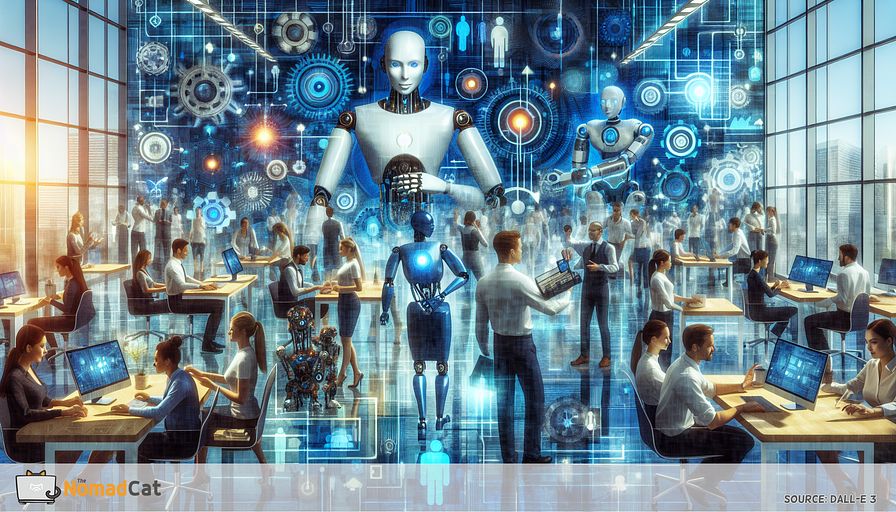
Boosting teamwork with cobots
Collaborative robots, or cobots, are revolutionizing the way teams collaborate in the workplace. Unlike traditional robots that often operate in isolated environments, cobots are designed to work alongside humans, promoting a harmonious and productive partnership. These advanced machines possess the intelligence and safety features that enable them to interact with their human counterparts in a seamless manner.
Many companies are harnessing the power of cobots to boost productivity and create a more engaging work environment. Their ability to perform repetitive tasks efficiently allows human workers to focus on more complex activities, fostering a well-rounded and dynamic team. The unique integration of cobots into various workflows not only enhances operational efficiency but also paves the way for a collaborative and supportive atmosphere.
From assembly lines to customer service roles, cobots are becoming indispensable partners that help streamline processes and relieve employees from physically demanding jobs. This synergy between humans and cobots is truly redefining teamwork, making it a significant cornerstone for the future of work.
How cobots enhance productivity and efficiency
In modern workplaces, enhancing productivity and efficiency is key to staying competitive. Collaborative robots, or cobots, play a significant role in achieving these goals by assisting humans in various ways.
One of the primary advantages of cobots is their ability to handle repetitive and mundane tasks. By taking over these activities, cobots allow human workers to focus on more strategic and creative endeavors. Imagine a factory setting where cobots can perform tasks such as assembling parts, packaging, or even quality inspection. This not only speeds up the production process but also minimizes human errors and fatigue.
Beyond relieving employees from monotonous duties, cobots can operate with high precision and speed. In industries like electronics manufacturing, where delicate components require careful handling, cobots ensure consistent performance without the risk of damage. The enhanced accuracy of cobots translates into higher quality output and reduced waste, ultimately boosting overall efficiency.
Let's explore some industry-specific examples:
- Automotive Industry: In car manufacturing plants, cobots assist with tasks such as welding, painting, and assembling small components. Their collaboration with human workers leads to faster production lines and improved safety conditions.
- Healthcare: Cobots are making strides in hospitals and laboratories by undertaking repetitive tasks like sorting samples or preparing medications. This allows healthcare professionals to dedicate more time to patient care and complex medical procedures.
- Logistics and Warehousing: In this sector, cobots help with sorting and packing items, reducing delivery times and increasing order fulfillment accuracy. This enhances overall supply chain efficiency.
By integrating cobots, companies are witnessing tangible improvements in workflow and output. The combination of human ingenuity and robotic precision creates a synergistic environment where both entities thrive. Businesses across various domains are reaping the benefits of this collaboration, leading to a more productive and efficient workforce.
The presence of cobots marks a significant advancement in how tasks are distributed and executed, paving the way for a future where human talent is utilized to its fullest potential.
Safety benefits of cobots
Working alongside humans, collaborative robots are engineered with safety as a priority. Cobots are equipped with advanced sensors and intelligent programming to detect and respond to their surroundings. This ensures they can operate without posing any harm to their human colleagues. These features help in significantly reducing workplace accidents and establishing a safer environment.
A critical aspect of cobots is their ability to stop immediately if they sense an obstruction or unexpected contact. This rapid response mechanism is crucial in preventing injuries. Unlike traditional industrial robots that require safety cages or barriers, cobots are designed to share space with humans, promoting a more flexible and safer working area.
Consider these points that underline the safety benefits of cobots:
- Advanced sensors: Cobots utilize vision systems and force sensors to monitor their surroundings, ensuring safe interactions with human workers.
- Ergonomic improvements: By taking over physically strenuous tasks, cobots help in reducing the risk of musculoskeletal disorders among employees.
- Incident reduction: Numerous companies report a significant drop in workplace injuries after integrating cobots into their workflow. These robots are designed with safety in mind, minimizing the risk of accidents.
Moreover, statistics highlight that the implementation of cobots leads to noteworthy safety enhancements. For instance, in manufacturing settings, the integration of cobots has been linked to a 70% reduction in reported injuries related to repetitive strain and overexertion. This shift not only safeguards employees but also contributes to a more cohesive and productive work environment.
Overall, the adoption of cobots goes beyond just improving efficiency. It promotes a culture of safety by mitigating risks and ensuring a healthier workplace for all employees. With these cutting-edge technologies woven into daily operations, organizations can foster a more secure setting, empowering their workforce to collaborate effectively with robotic counterparts.
Implementing cobots across various industries
Integrating cobots into diverse sectors highlights their versatility and the tangible benefits they bring to different working environments. While cobots have proven their worth across multiple fields, the implementation process varies depending on the industry's unique requirements. Let's delve into some case studies and real-world examples that illustrate the successful adoption of cobots and the hurdles encountered along the way.
Manufacturing
In the manufacturing sector, cobots have become invaluable assets, contributing to improved efficiency and safety. For instance, a major automotive manufacturer adopted cobots to aid in assembling intricate components. These cobots performed tasks like welding and painting with high precision, significantly reducing production time and minimizing errors. Initially, the company faced challenges in seamlessly integrating cobots with existing systems, but through tailored training programs and incremental implementation, they overcame these obstacles.
Key takeaways:
- Customized training: Investing in thorough employee training ensures smooth human-cobot collaboration.
- Incremental rollout: Gradual integration allows a company to address issues and fine-tune operations.
Healthcare
In healthcare, cobots are making strides by supporting medical staff with repetitive and time-consuming tasks. A leading hospital introduced cobots in its laboratory to assist with sorting samples and preparing medications. This not only improved workflow efficiency but also allowed healthcare professionals to refocus on critical patient care. The initial challenge was resistance from staff members who feared job displacement. This was tackled through transparent communication and demonstrating how cobots complement human roles without replacing them.
Lessons learned:
- Open communication: Clear dialogue helps alleviate concerns about job security and fosters acceptance of new technology.
- Showcasing benefits: Highlighting how cobots enhance, rather than replace, human work helps in gaining employee buy-in.
Logistics
The logistics and warehousing industry has also experienced significant transformations with cobot integration. A leading e-commerce company deployed cobots in its fulfilment centers to assist with sorting, packing, and moving items. This resulted in faster order processing and increased accuracy. However, the challenge was integrating cobots within a highly dynamic environment. The company addressed this by implementing adaptive algorithms and investing in advanced sensors that allowed cobots to work efficiently alongside human workers and other automated systems.
Effective strategies:
- Adaptive technology: Utilizing advanced sensors and algorithms ensures cobots can handle dynamic workflows.
- Collaborative planning: Synchronizing the efforts of cobots and human workers optimizes overall efficiency.
Across these varied industries, cobots have demonstrated their potential to revolutionize operations, elevate productivity, and create safer workplaces. The key to successful implementation lies in strategic planning, open communication, and investing in advanced technology. By addressing challenges head-on, businesses can fully harness the benefits of human-robot collaboration, paving the way for a more innovative and efficient future.
Future trends in human-robot collaboration
The next frontier in human-robot collaboration is shaping up to be an exciting journey filled with transformative advancements. As technology continues to evolve at a brisk pace, the boundaries of what cobots can achieve alongside humans are constantly expanding. Several emerging trends are set to redefine how we interact with these intelligent machines and reshape the future of work.
Enhanced AI and machine learning
The integration of advanced AI and machine learning algorithms will empower cobots to learn and adapt in real-time. This will allow them to understand and respond to complex human cues better, creating a more intuitive and seamless collaboration. Workers can expect cobots to anticipate needs and offer assistance with unprecedented accuracy and flexibility.
Improved human-robot interfaces
Future innovations in human-robot interfaces, such as augmented reality (AR) and virtual reality (VR), will enable more natural and immersive interactions. These technologies will allow workers to control and program cobots through intuitive gestures and commands, significantly reducing the learning curve and enhancing user experience.
Increased autonomy
Upcoming advancements will see cobots gaining greater autonomy, allowing them to perform more complex tasks without constant human intervention. This increase in cobot independence will free up human workers to focus on strategic and high-value activities, driving innovation and operational excellence.
Collaborative multi-robot systems
The future will also witness the deployment of collaborative multi-robot systems, where groups of cobots work together to accomplish tasks. This will significantly boost productivity and efficiency, especially in environments requiring high degrees of coordination and precision.
Impact on job roles and skills
As cobots become more sophisticated, they will inevitably influence job roles and required skills. The workforce will see a shift towards roles that emphasize creativity, problem-solving, and interpersonal skills. Continuous education and upskilling will be crucial to staying relevant and thriving in this dynamic environment.
Ultimately, the future of human-robot collaboration is bright and full of potential. Emerging technologies and innovative approaches will pave the way for a more resourceful and adaptable workforce, capable of harnessing the full benefits of working alongside advanced cobots.
Building a resourceful and adaptable workforce
Reflecting on the discussed points, the integration of cobots in the workplace stands out as a game-changing development. By boosting productivity and efficiency, cobots enable human workers to concentrate on strategic and creative tasks, leading to a more dynamic and well-rounded team. The safety benefits demonstrate how cobots can create a secure and ergonomic environment, significantly reducing the risk of workplace injuries.
Implementing cobots across various industries illustrates their versatility and potential to revolutionize workflows. From car manufacturing to healthcare and logistics, cobots have proven to enhance operational efficiency while promoting a collaborative atmosphere. The key challenges and lessons learned underline the importance of strategic planning, open communication, and investing in advanced technologies for successful adoption.
Looking toward future trends, advances in AI, machine learning, and human-robot interfaces will further refine the collaboration between humans and cobots. This evolution will free up human talent to tackle more complex challenges, fostering a more innovative and efficient workforce. Ultimately, embracing cobots equips organizations with the tools to adapt and thrive in an ever-changing business landscape.
By harnessing the transformative potential of cobots, businesses can build a more resourceful and adaptable workforce, ready to meet the demands of the future. The synergy between human ingenuity and robotic precision paves the way for unprecedented advancements and opportunities in various sectors.


