 Gilles Crofils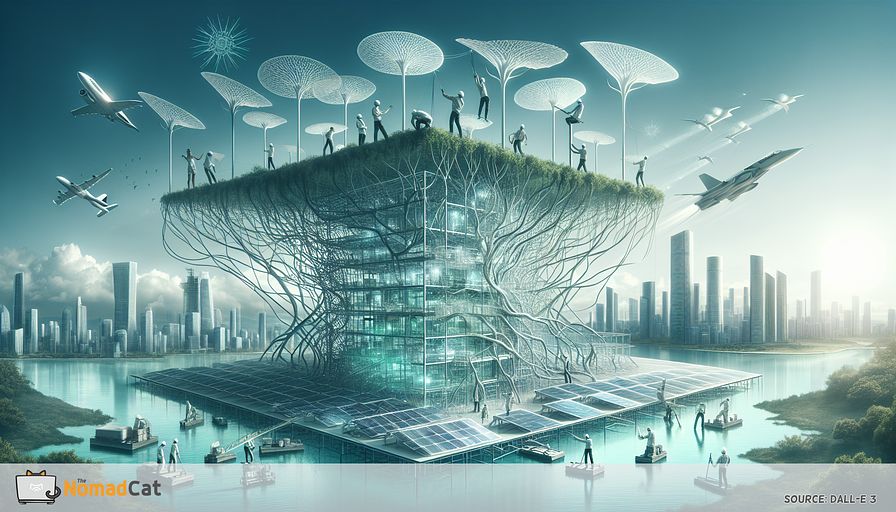
introduction to sustainable construction
You can almost hear the hum of change in the construction industry. With green building technologies taking center stage, this field is experiencing a remarkable transformation. Sure, the hard hats and steel-toed boots are still around, but now they're working side by side with innovations designed to protect our planet. Sustainability is no longer a buzzword; it’s becoming the industry standard, aiming to reduce the environmental footprint of construction activities.
The shift towards sustainable construction encompasses a variety of approaches. From the use of eco-friendly materials that cut down on waste to energy-efficient designs that promise to keep buildings cozy without guzzling power, these advancements are nothing short of revolutionary. And let's not forget the magic of smart technologies, which are making buildings not just greener, but also smarter.
So, buckle up, because the future of construction isn't just about putting up walls and roofs anymore. It's about creating a sustainable framework that allows our environment to thrive just as much as our living spaces do.
eco-friendly materials and waste minimization
Green construction isn't just a "nice to have" anymore; it's fast becoming the bedrock of modern building practices. Among the key pillars is the use of eco-friendly materials. Think bamboo, recycled steel, and low-VOC (volatile organic compounds) paints—materials that don't just get the job done but do it while being kind to Mother Earth. By opting for these materials, the construction industry is taking significant strides toward cutting down waste and conserving natural resources.
Now, let's talk trash—or rather, minimizing it. The concept of waste minimization means rethinking how materials are utilized right from the design phase. Practices like prefabrication and modular construction are gaining popularity because they allow for precise cutting and assembly, leaving less room for waste. Additionally, the use of recycled or reclaimed materials is making waves. It's like giving a second lease of life to items that would otherwise head straight to the landfill.
Here are some outstanding sustainable practices:
- Recycling materials on-site: Whether it's concrete, wood, or metal, repurposing materials on the construction site reduces both waste and cost.
- Using biodegradable materials: Products like biodegradable insulation or natural fiber carpets not only help in minimizing environmental harm but also ensure safer indoor air quality.
- Embracing renewable resources: Materials like bamboo and cork grow exponentially faster than traditional timber, making them excellent sustainable alternatives.
So, next time you walk past a construction site, take a moment to appreciate the bamboo scaffolding or the recycled steel girders. These are not just random choices but deliberate steps toward a more sustainable tomorrow, one brick at a time.
innovative energy-efficient designs
Imagine pulling up to a building that practically glows with eco-friendliness. We're talking about innovative energy-efficient designs that are setting new benchmarks for sustainability in construction. These designs are not just blueprints; they are holistic strategies aimed at reducing the carbon footprint of buildings.
From solar panels that turn rooftops into mini power stations to geothermal heating systems that tap into the Earth's natural warmth, these energy-efficient solutions are nothing short of spectacular. They harness nature’s power to create comfortable living and working spaces while significantly cutting down on energy consumption.
Take, for example, the Bullitt Center in Seattle. This marvel of engineering includes photovoltaic arrays, rainwater harvesting systems, and even composting toilets. This is not just a building; it's a living testament to how far we've come in sustainable construction.
- Passive solar design: Strategic placement of windows and insulation to optimize natural light and heating, reducing the need for artificial lighting and heating.
- Green roofs: Roofs covered with vegetation, offering natural insulation and reducing stormwater runoff.
- Advanced building envelopes: Highly insulated, airtight structures to maintain indoor climate efficiently.
These designs aren't just about saving energy; they are about creating a sustainable future. So, next time you marvel at a building that seems too clever to be true, remember, it's designed to revolutionize how we think about energy and construction.
integration of smart technologies
Let's take a step into the future—this time with a bit more circuitry. The construction industry isn't just going green; it’s getting smart. The integration of smart technologies is revolutionizing how we manage energy in buildings, highlighting a new era of environmental stewardship.
Picture this: buildings that think for themselves. Smart technologies facilitate sustainable construction by promoting advanced energy management, ensuring that buildings are as eco-friendly as possible. Innovations such as IoT (Internet of Things) devices, smart grids, and automated systems skillfully manage energy usage, reducing waste and optimizing performance.
real-life applications
These technologies aren't confined to sci-fi movies; they’re here and making a big impact. Take smart meters, for instance. They provide real-time data on energy consumption, allowing building managers to pinpoint inefficiencies and make informed adjustments. Then there are smart thermostats, which learn occupants’ behaviors and adjust heating and cooling systems accordingly, ensuring comfort without wasting resources.
- Smart lighting systems: Using sensors and automated controls to adjust brightness based on occupancy and natural light, saving electricity.
- Energy management software: Platforms that analyze consumption patterns and provide insights for better energy utilization.
- Automated HVAC systems: These systems use machine learning to predict and react to changes in weather and occupancy levels, maintaining optimal energy use.
The benefits of integrating smart technologies are vast. Not only do they enhance energy efficiency, but they also contribute to significant cost savings and reduced carbon footprints. So, while your building might not verbally thank you, it will be silently nodding in approval as it runs more efficiently than ever before.
adherence to green building standards
When it comes to sustainable construction, setting high standards is like having a quality control wizard ensuring everything is up to the green mark. Adhering to green building standards goes beyond just a nod to Mother Earth—it's an industry-wide pledge to environmental stewardship and sustainable practices.
The significance of these standards can't be overstated. They serve as benchmarks for eco-friendly practices, from reducing carbon footprints to ensuring resource efficiency. It's like having a green certification for buildings, proving their dedication to sustainability. Builders adhering to these standards aren't just ticking boxes; they're making a statement that responsible construction is the way forward.
key green building standards
Some notable green building standards include LEED (Leadership in Energy and Environmental Design), BREEAM (Building Research Establishment Environmental Assessment Method), and WELL Building Standard. Each of these frameworks offers guidelines and criteria for achieving various levels of sustainability:
- LEED: Focuses on aspects like energy efficiency, materials selection, and indoor environmental quality. This globally recognized standard has various certification levels, encouraging buildings to continually aim for higher sustainability goals.
- BREEAM: Assesses a building's environmental performance in categories such as waste, health, and energy. It's one of the longest-standing frameworks and provides a holistic view of a building's impact.
- WELL Building Standard: A bit of a new kid on the block, this standard emphasizes the health and well-being of the building's occupants, introducing criteria such as air, water, nourishment, and light quality.
Compliance with these standards isn't just about earning a shiny plaque to hang in the lobby. It's about committing to ongoing improvement and environmental responsibility. By following these guidelines, builders and developers contribute to a more sustainable future while also showcasing their dedication to green practices. It's a win-win where the environment gets a break, and the industry garners well-deserved kudos for its efforts.
balancing development with environmental preservation
Picture a stunning skyscraper nestled beside a serene forest. Balancing development with environmental preservation requires a delicate dance, but it's increasingly achievable through sustainable construction practices. The industry is realizing that it's not about choosing one over the other, but rather harmonizing both for the benefit of all.
One key aspect is implementing strategies that reduce the ecological footprint of new projects. This involves selecting sites with minimal environmental impact, incorporating green spaces within urban settings, and prioritizing the use of renewable energy sources. The goal is to create a built environment that coexists with nature rather than dominates it.
Another crucial element is engaging local communities and stakeholders in the planning phases. Their insights can help identify potential environmental concerns and ensure that development projects align with the broader goals of environmental preservation. It's like bringing together a think tank of eco-warriors to guide informed decision-making.
practical strategies for balance
Here are some effective strategies for balancing development with environmental preservation:
- Sensitive site selection: Avoid building on ecologically sensitive areas such as wetlands or natural habitats. Instead, opt for brownfield sites or urban infill projects.
- Incorporating green spaces: Design projects that include parks, rooftop gardens, and green walls to enhance urban biodiversity and provide recreational areas for the community.
- Energy-efficient infrastructure: Utilize renewable energy sources and invest in energy-saving technologies to reduce the carbon footprint of buildings.
The essential principle here is balance—ensuring that while we progress with innovative development, we still maintain and even enhance our natural surroundings. It’s like making sure our cake is fantastically frosted while ensuring the planet’s still happy too.
summarizing the importance of balance
To recap, the essence of sustainable construction is about striking the right balance between developing modern infrastructure and preserving the environment. This balance ensures a future where our construction industry thrives alongside a healthy planet, proving that innovation and nature can indeed go hand in hand.


